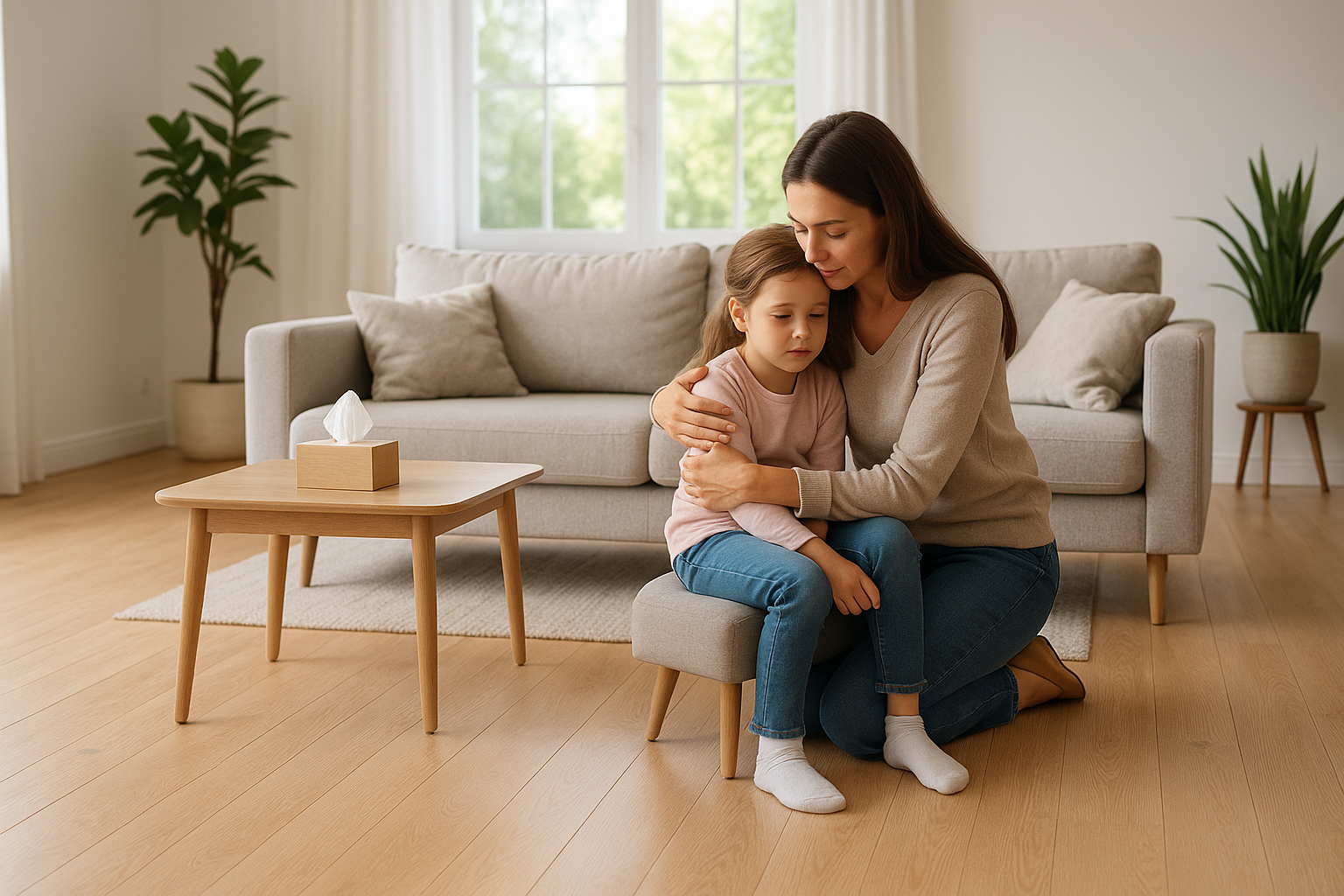
When Jennifer Martinez's 6-year-old daughter Emma started waking up every morning with a stuffy nose and red, watery eyes, she assumed it was just seasonal allergies. But when the symptoms persisted through winter and into spring, Jennifer knew something else was wrong.
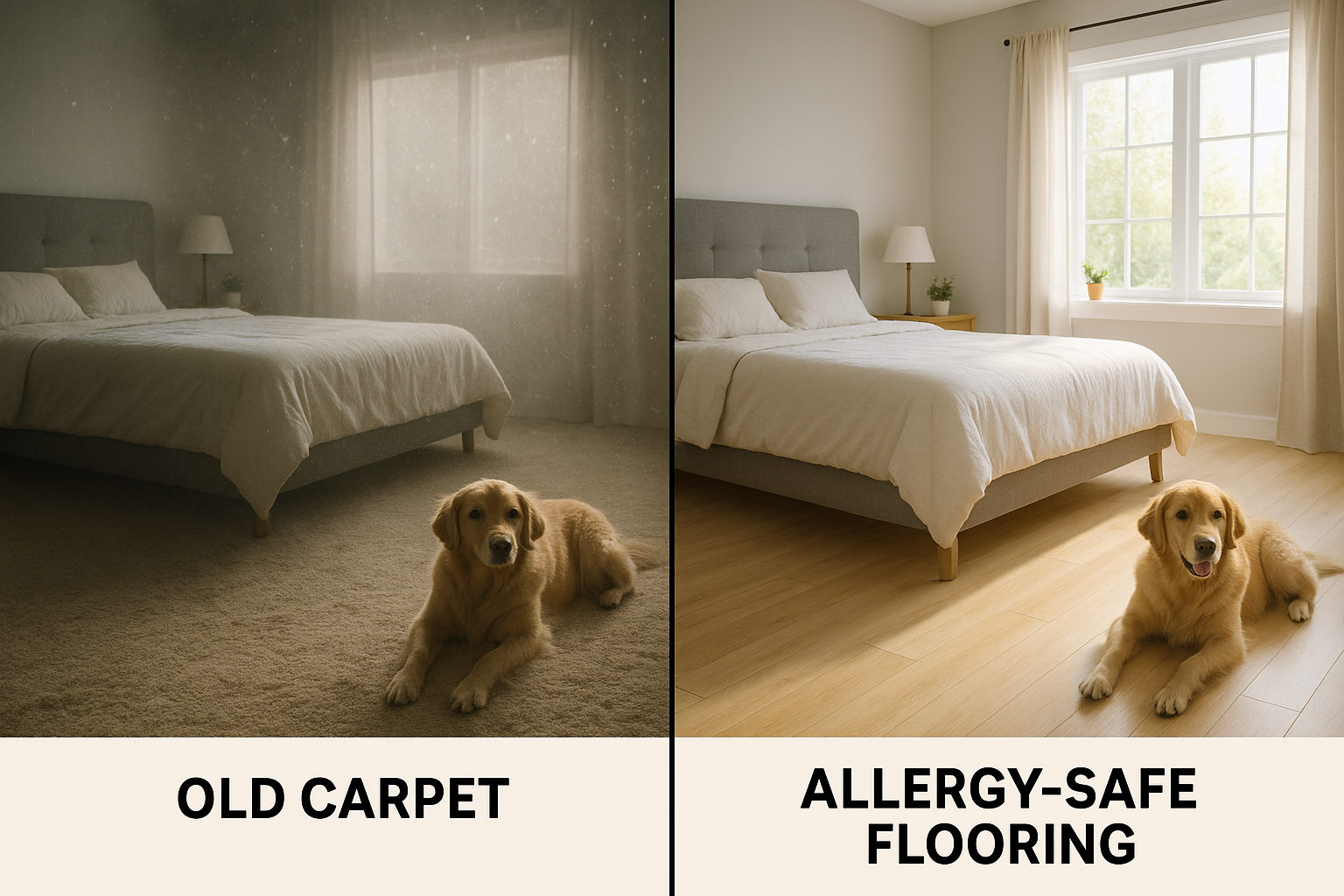
The stark reality: Old carpet traps allergens and creates poor air quality (left), while modern allergy-safe flooring promotes clean, healthy indoor air (right).
"We tried everything," Jennifer recalls from her home in Austin, Texas. "Air purifiers, hypoallergenic bedding, even had our HVAC system professionally cleaned. Nothing worked." It wasn't until a pediatric allergist asked specifically about their home's flooring that Jennifer began to understand the real problem.
The 12-year-old carpet in Emma's bedroom and the family's main living areas had become a reservoir for dust mites, pet dander, and volatile organic compounds (VOCs) that were continuously circulating through their home's air. Every step across the carpet released a cloud of microscopic allergens that Emma's sensitive respiratory system couldn't handle.
The Science Behind Indoor Air Quality and Flooring
According to the Environmental Protection Agency, indoor air can be 2-5 times more polluted than outdoor air, and Americans spend approximately 90% of their time indoors. Dr. Sarah Chen, an environmental health specialist at Johns Hopkins University, explains that flooring materials play a crucial role in indoor air quality.
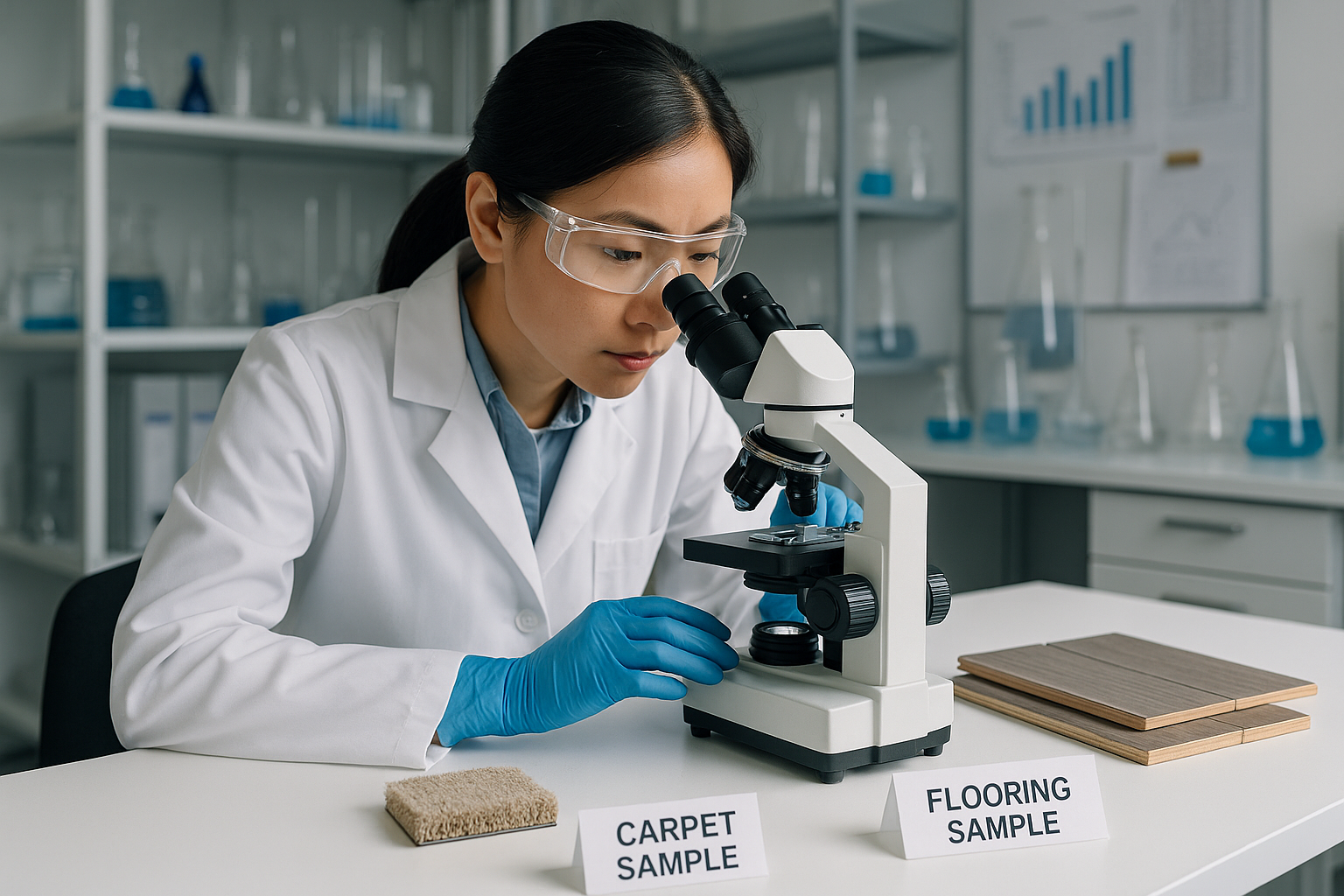
Dr. Sarah Chen examines carpet and flooring samples in her Johns Hopkins laboratory to analyze their impact on indoor air quality.
"Traditional carpeting can harbor up to 200,000 bacteria per square inch, along with dust mites, mold spores, and chemical residues from cleaning products. These particles become airborne with normal foot traffic, creating a constant source of respiratory irritation."
— Dr. Sarah Chen, Environmental Health Specialist
Three Families, Three Transformations
The Rodriguez Family: From Asthma Attacks to Clear Breathing
The Problem: 8-year-old Miguel was using his rescue inhaler 3-4 times per week, especially during nighttime hours. His parents, Maria and Carlos, had spent over $2,000 on air purifiers and allergy treatments with minimal improvement.
The Discovery: An indoor air quality test revealed that their 15-year-old carpet contained over 40 different allergens, including dust mite feces, pet dander from a previous owner's cats, and mold spores from a minor water leak years earlier.
The Result: After replacing their carpet with certified hypoallergenic flooring, Miguel's inhaler use dropped to zero within three weeks. "It's been six months now, and he hasn't had a single asthma attack," Maria reports.
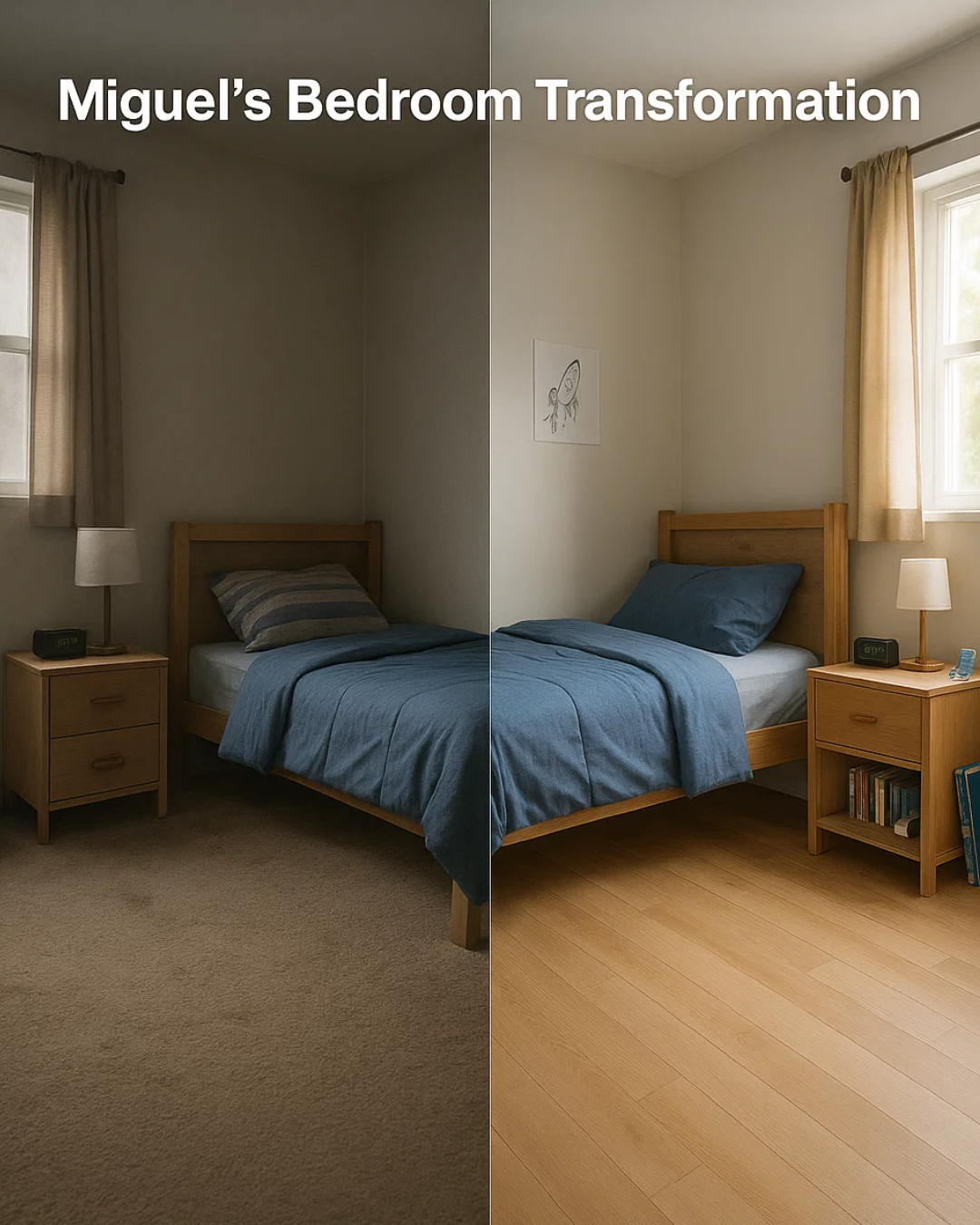
Miguel's bedroom transformation: From old, stained carpet to clean, allergy-safe hardwood flooring

The Thompson family enjoying their healthy, renovated living space
The Thompson Family: Solving Mystery Headaches and Fatigue
The Problem: David and Lisa Thompson, along with their three children, experienced persistent morning headaches, fatigue, and what they described as "brain fog" that seemed worse at home than at work or school.
The Discovery: VOC testing revealed that their laminate flooring was off-gassing formaldehyde at levels 3 times higher than recommended safety standards. The chemicals were most concentrated in the morning after the house had been closed up overnight.
The Result: "Within two weeks of installing low-VOC flooring, the headaches stopped completely," David explains. "We didn't realize how much the chemical smell was affecting our entire family's well-being."
The Chen Family: Conquering Chronic Sinus Issues
The Problem: Both parents and their teenage daughter suffered from chronic sinus congestion, post-nasal drip, and frequent sinus infections. They had tried multiple rounds of antibiotics and allergy medications with only temporary relief.
The Discovery: A mold inspection revealed that moisture from their basement was creating perfect conditions for mold growth in their carpet padding, even though no visible mold was present on the surface.
The Result: After installing waterproof, antimicrobial flooring throughout their main level, the family's sinus issues resolved within a month. "We can finally breathe clearly in our own home," says Mrs. Chen.
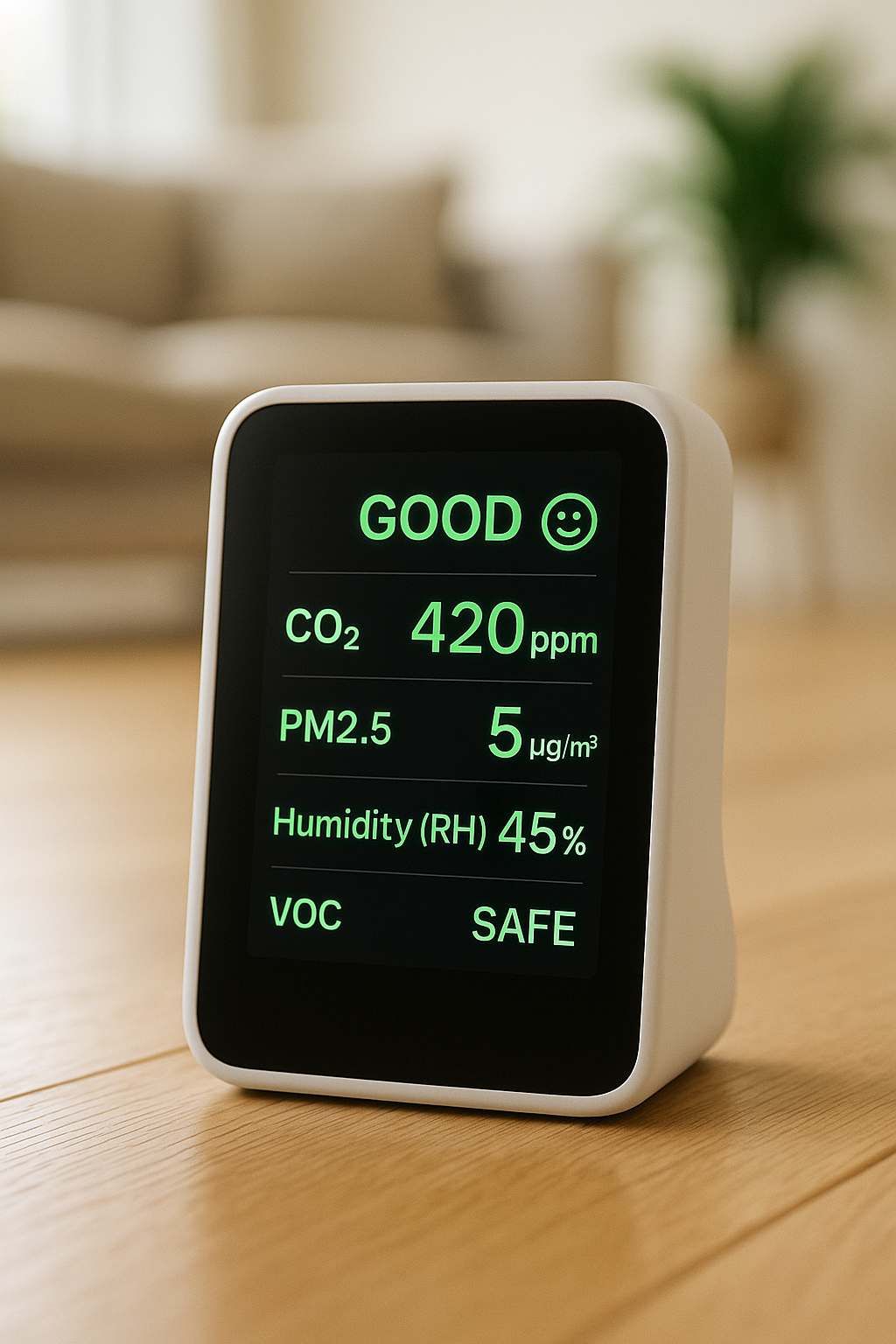
Air quality monitor showing excellent readings after installing antimicrobial flooring
What Health Experts Are Saying
Dr. Michael Roberts, Pulmonologist
"I've seen a 40% increase in patients whose respiratory symptoms improve dramatically after addressing their home's flooring. The connection between indoor air quality and flooring materials is undeniable."
"For families with asthma or allergies, choosing the right flooring isn't just about aesthetics—it's a health decision that can significantly impact quality of life."
Dr. Amanda Foster, Pediatric Allergist
"Children are particularly vulnerable to indoor air pollutants because they breathe faster and spend more time close to the floor. I now routinely ask parents about their flooring when treating persistent allergy symptoms."
"The good news is that modern hypoallergenic flooring options can create measurable improvements in indoor air quality within weeks of installation."
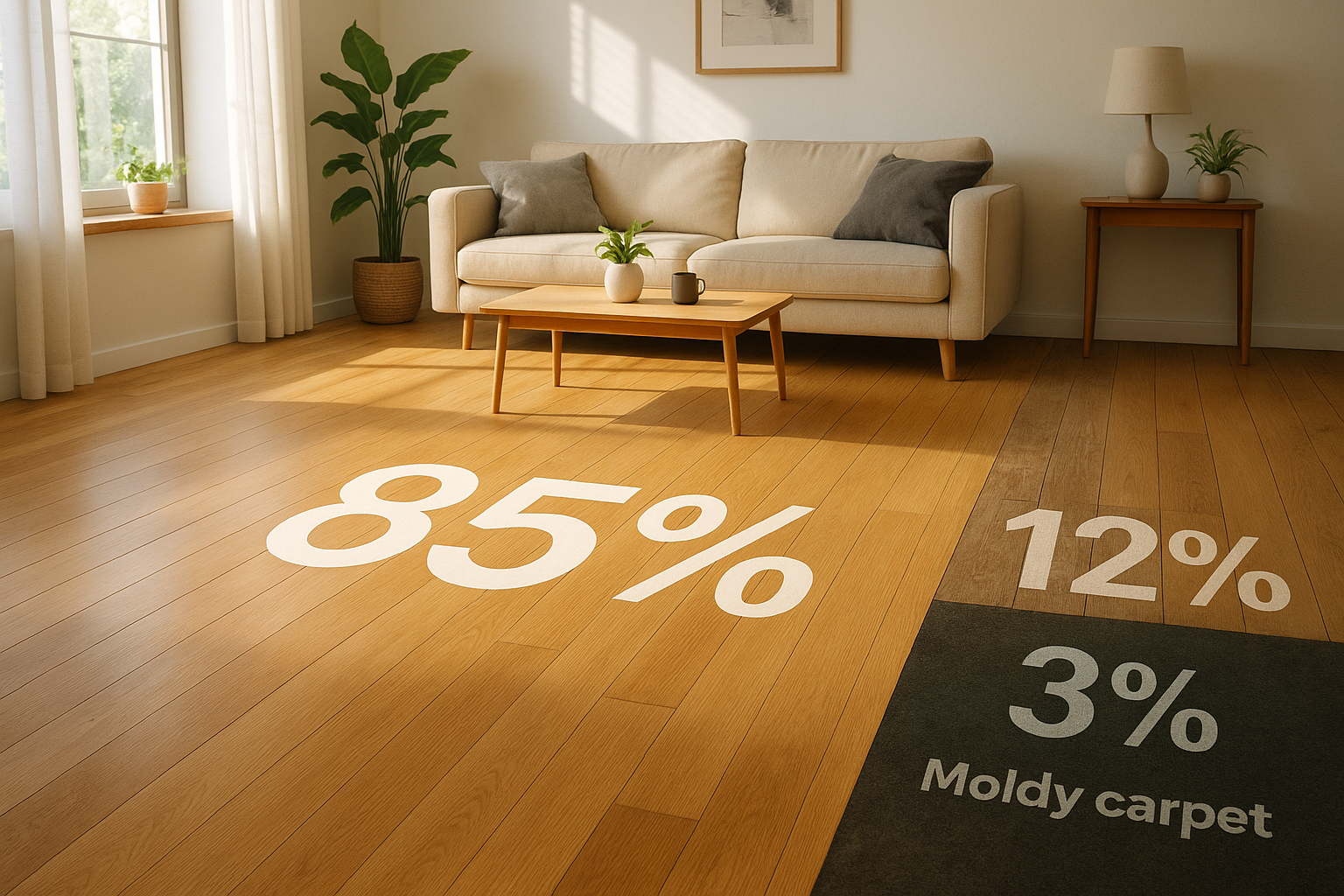
Statistical breakdown of flooring conditions in American homes and their impact on indoor air quality
The New Generation of Health-Conscious Flooring
Recognizing the growing demand for healthier homes, flooring manufacturers have developed new materials specifically engineered to improve indoor air quality. These aren't just marketing claims—they're backed by rigorous third-party testing and certifications from organizations like GREENGUARD and the Asthma & Allergy Foundation of America.
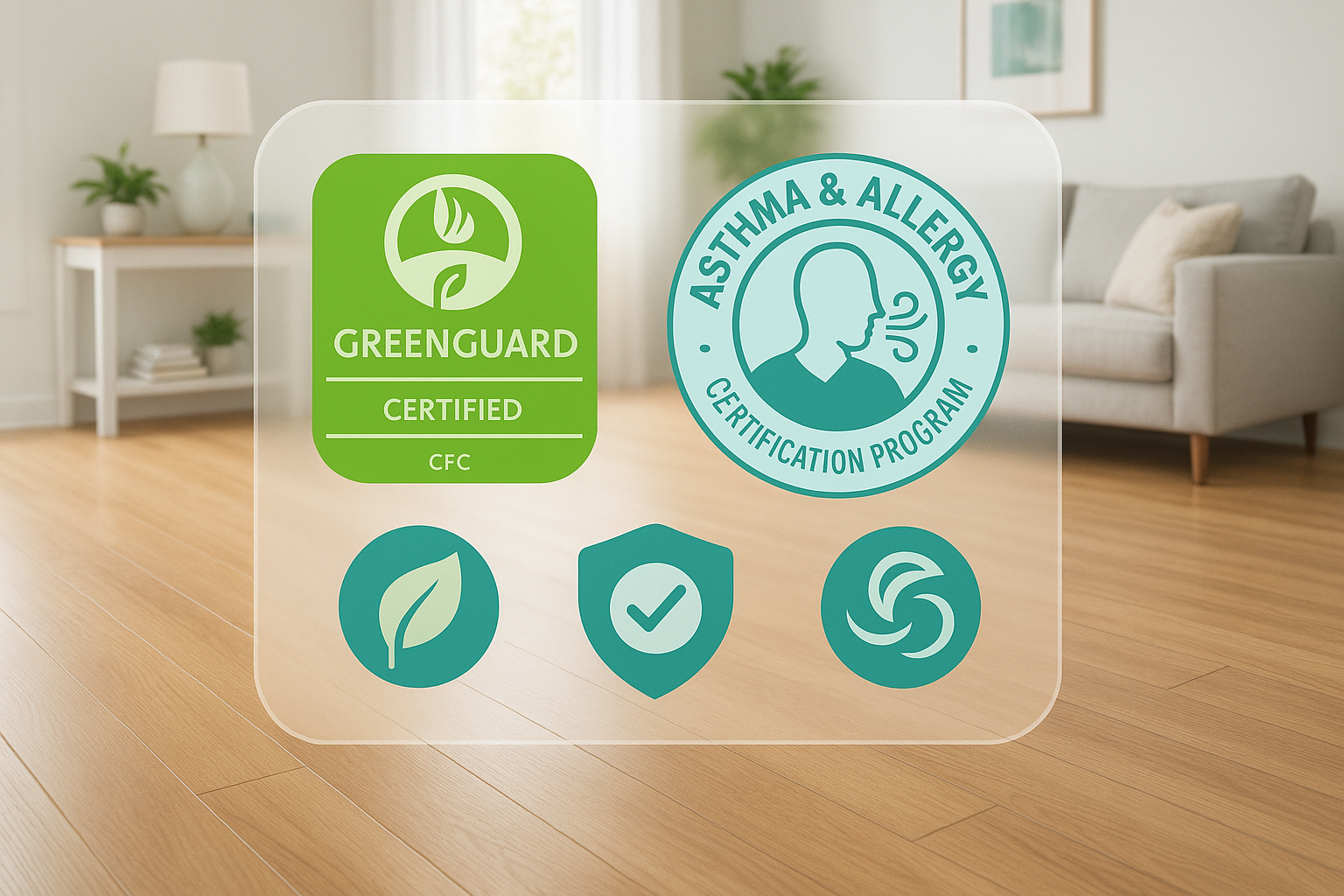
Third-party certifications ensure that modern allergy-safe flooring meets rigorous health standards
Antimicrobial Protection
Built-in resistance to bacteria, mold, and mildew growth without harsh chemicals
Zero VOC Emissions
Certified to emit no volatile organic compounds that can cause headaches and respiratory issues
Moisture Barrier Technology
Prevents water damage and mold growth that can trigger severe allergic reactions
What to Expect When Making the Switch
Based on the experiences of the families we interviewed, most notice improvements in air quality within the first week after installation. However, the full benefits typically become apparent within 2-4 weeks as existing allergens are eliminated from the home environment.
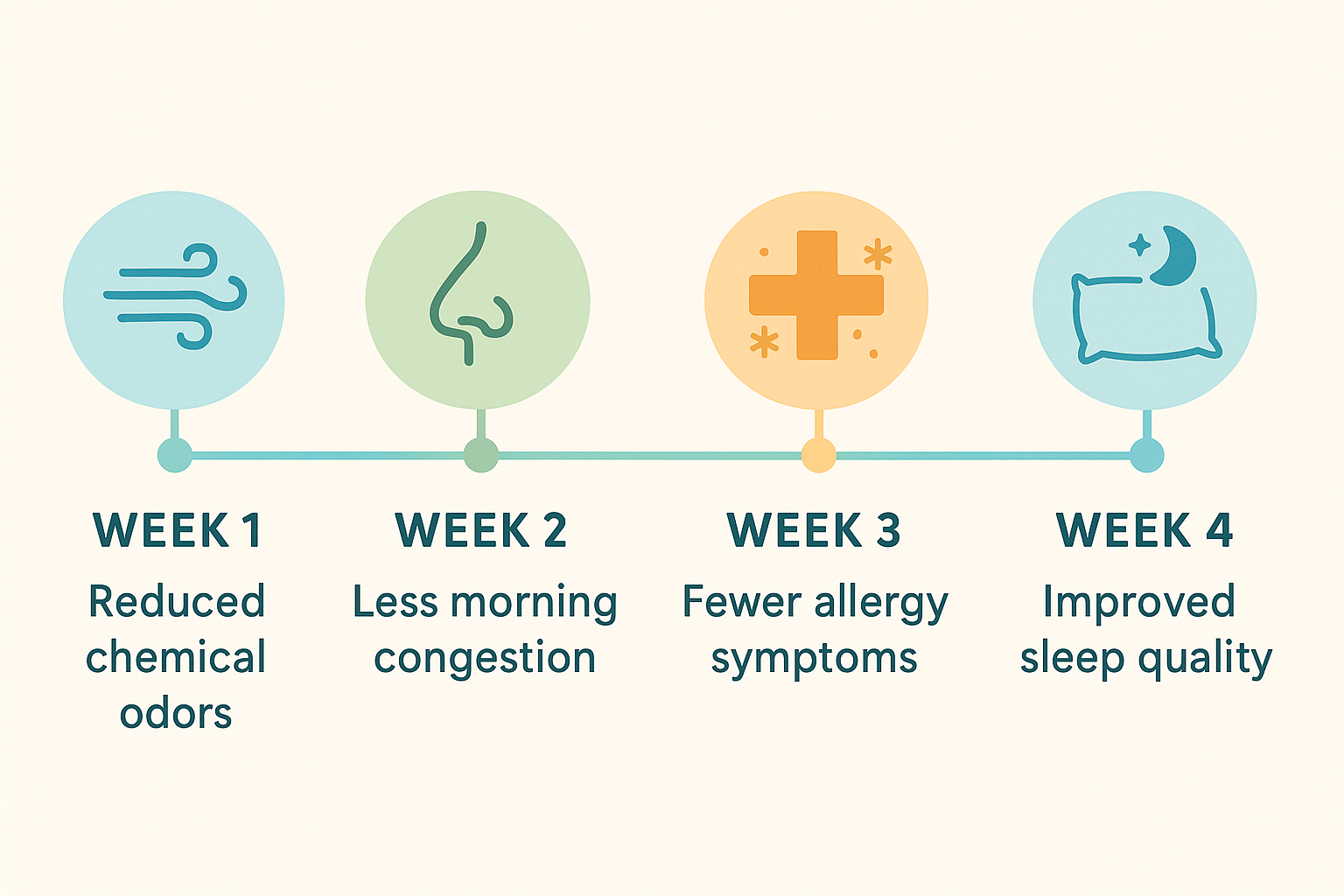
Timeline of health improvements families typically experience after switching to allergy-safe flooring
Jennifer Martinez, whose story opened this article, says the transformation in her daughter Emma's health was remarkable. "Emma went from needing allergy medication every day to maybe once a month during high pollen season. She can finally have sleepovers with friends without worrying about breathing problems."
Take the First Step Toward Healthier Indoor Air
If your family is struggling with unexplained respiratory issues, allergies, or poor indoor air quality, your flooring could be the missing piece of the puzzle.
Health-focused solutions
Additional Resources:
- • EPA Guide to Indoor Air Quality and Health
- • Asthma & Allergy Foundation: Home Environment Tips
- • GREENGUARD Certification Standards
- • American Lung Association: Healthy Home Checklist